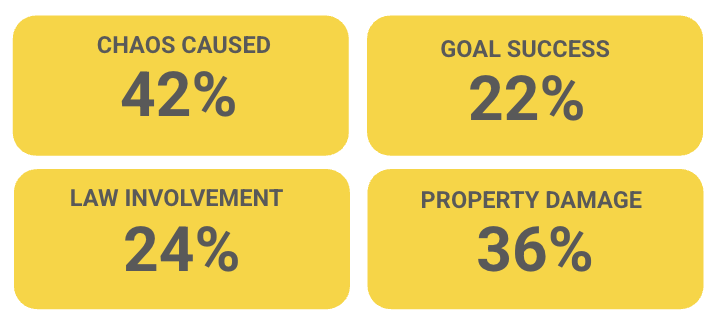

Running for 17 seasons over more than two decades, It’s Always Sunny in Philadelphia is a masterclass in dark comedy and social satire, uniquely driven by a core cast who also created and developed the series as well as write, produce, and direct much of it. It follows "the Gang" who are five deeply co-dependent, alcoholic, aggressively selfish degenerates running a South Philly dive bar. Over the course of the show, these agents of chaos devolve from reckless twenty-somethings into stunted forty-somethings, trapped in permanent arrested development. They learn absolutely nothing, routinely burn anyone unfortunate enough to get caught up in their orbit (sometimes literally burning them), and grow increasingly pathetic with each year.
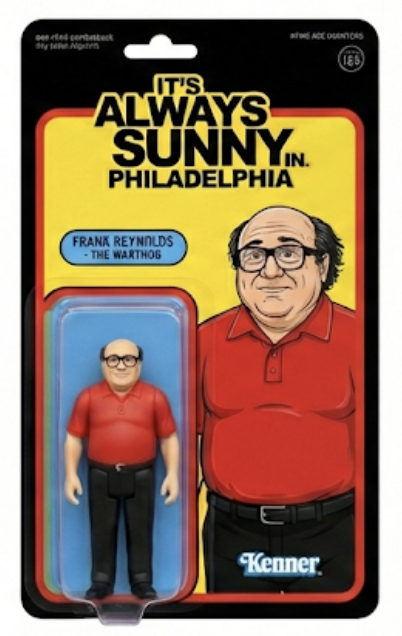
I analyzed every episode on three metrics and translated this rich, chaotic narrative into clear insights. I synthesized my analysis into a comprehensive, harsh, thematically-designed report, representing them as toy versions of themselves. I chose this as it takes their delusion of themselves as heroes, like perfect G.I. Joe action figures, and renders it literally.
Analysis of harm, damage, and relationships over time in It’s Always Sunny In Philadelphia
The Gang causes pain and suffering to anyone that gets near them, including themselves.
Overall, it’s best if everyone stays away from the Gang.
Of the 270 episodes, the Gang causes physical or deep psychological harm to themselves slightly more (29%) often than harm to others (25%). The key difference is consequence: outside victims are damaged permanently, the Gang is not.
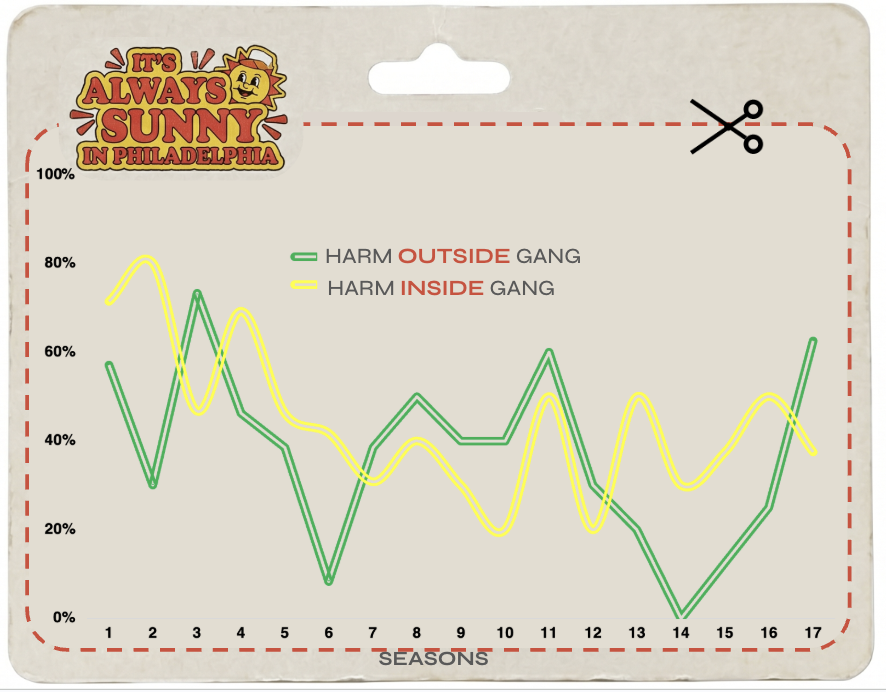
Outside harm is spiky and unpredictable and either accompanies inside harm or replaces it. While sometimes they harm a one-off character, it’s mostly caused to a rotating cast of recurring victims who keep choosing to continue interacting with the Gang against all rational self-interest.
Inside harm is indicative of the show. While ostensibly friends, they take every opportunity and use any means to gain an advantage over one another and generally revel in each other’s pain and suffering. Post-Season 4 the incident count drops, but not because they mellowed, the harm shifted from physical chaos toward sustained psychological cruelty.
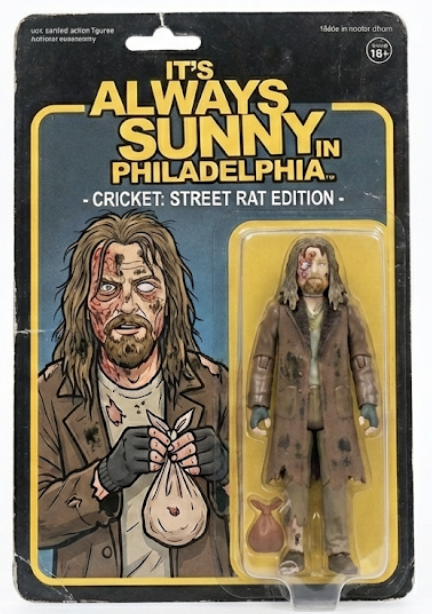
The character of Cricket is the embodiment of what the Gang does to anyone in their orbit.
He first arrives as a handsome priest, but by Season 16 he has lost an eye and a kidney, is severely scarred from being locked in the Gang’s apartment (by the Gang) as it burned down, is addicted to every drug in existence, and runs a male prostitution ring. What separates him from every other victim is that his injuries never reset , instead each appearance layers new damage onto the last, making him the show's living receipt for 20+ years of coming in range of the Gang, which is both the tragedy and the joke of Cricket.
The Gang is rarely held accountable for breaking the law or destroying things.
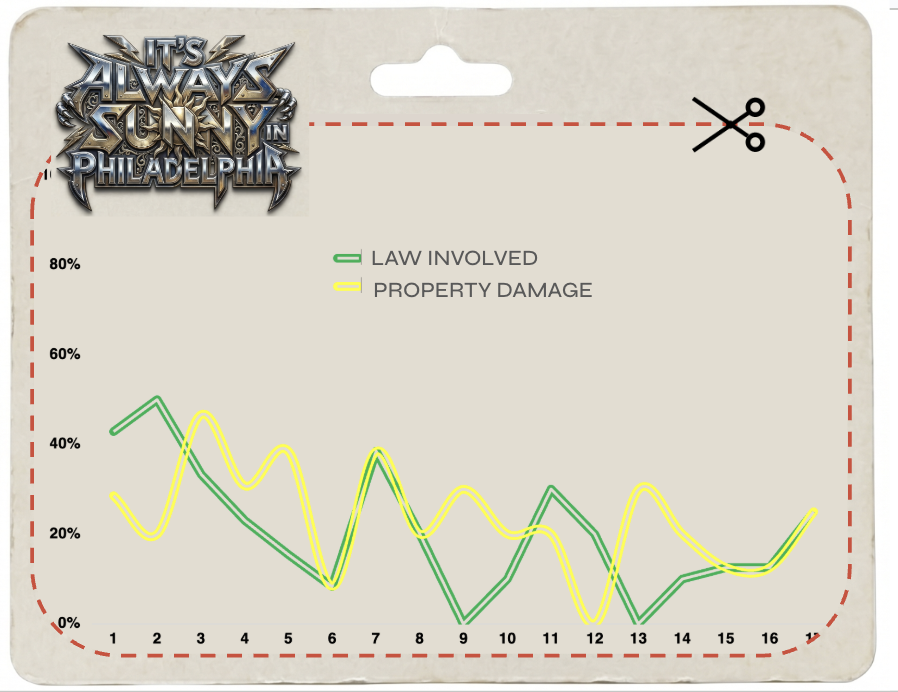
The Law rarely gets involved with the Gang (14%) which reflects the lack of consequences they face after breaking it continually. The gang's relationship with the law is less about consequence and more about inconvenience as they are questioned, chased, and occasionally arrested, but formal punishment almost never lands.
Property damage is a hallmark of the show though it occurs more rarely than one might think (16%). It is a byproduct of schemes rather than the point: things break because the Gang is present, not because they set out to break them. They often destroy their own things, like Dennis and Mac burning down their own apartment, the Gang firing an RPG and blowing up Dennis’s Land Rover, or completely destroying an ambulance and police car that they purchased for their schemes.
One episode wherein there was a consequence for the Gang was in The Gang Gets Extreme: Home Makeover Edition. They essentially kidnap a Mexican family, make them more “American” by giving them financial debt, covering their faces in white face paint, and then burning down their home and distributing their possessions to drug addicts.
The only consequence they faced was having to give the Mexican family a mansion that they inherited and never used anyway.
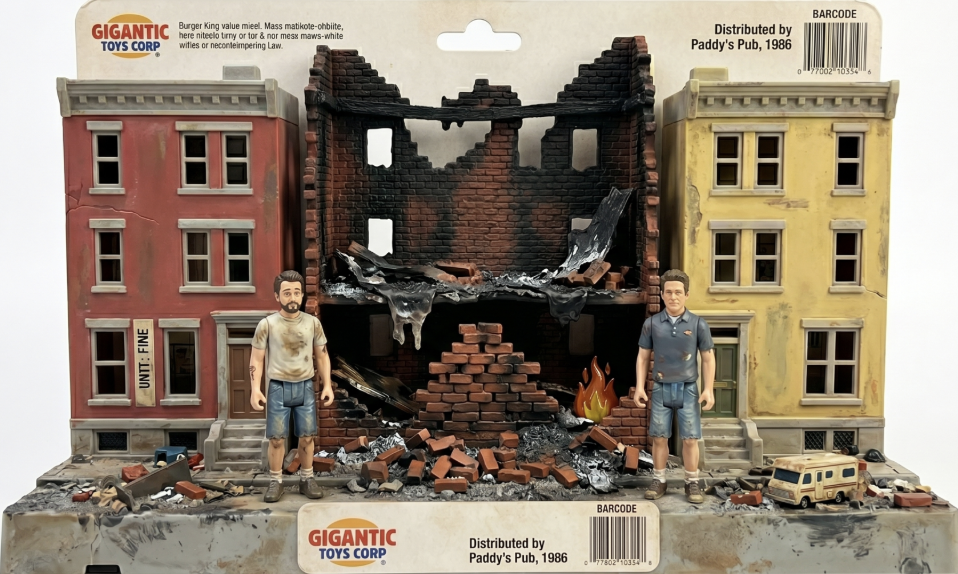


Analysis of The Gang’s behavior over two decades of dark buffoonery.
Methodology Overview
These metrics were gathered from every episode over every season:
Which characters teamed up together.
If the characters got what they wanted/accomplished their goal(s).
If harm was caused outside or inside the Gang, if the law was involved, and/or if there was property damage.
Let’s meet these degenerate goblin people who call themselves “the Gang”.
DENNIS REYNOLDS
Dennis is the Gang’s de facto leader and a self-described “Golden God”. He’s a narcissist who is educated, and most likely has a borderline-personality disorder.
There is speculation he is also a serial killer, though it is never proven. However, he definitely uses women, tapes having sex with them, and maybe rapes them.
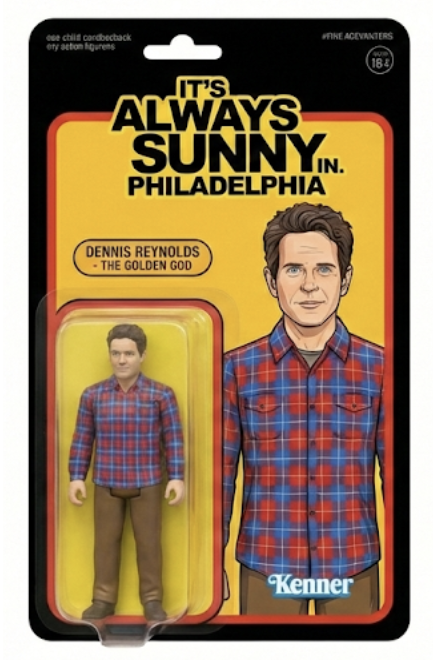
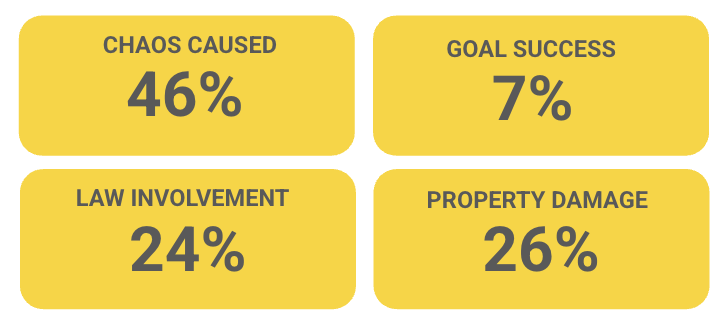
He is often the most sinister and the success of his goals tends to correlate when chaos and harm to others outside of the Gang is high.
His most frequent collaborator is his sister Dee and they are the worst performing duo in the Gang which mirrors their toxic, co-dependent dynamic that never quite works, but neither of them can fully abandon.
PERCENTAGE OF TOTAL EPISODES
“SWEET” DEE REYNOLDS
Dee dreams of being a famous actress and stand-up comedian, ambitions the Gang treats with open contempt. She is the Gang’s designated punching bag, dismissed by the rest of the Gang as talentless, unattractive, and not truly one of them despite being there from the beginning. She is permanently and negatively nicknamed “Bird” and it is throw at her regularly.
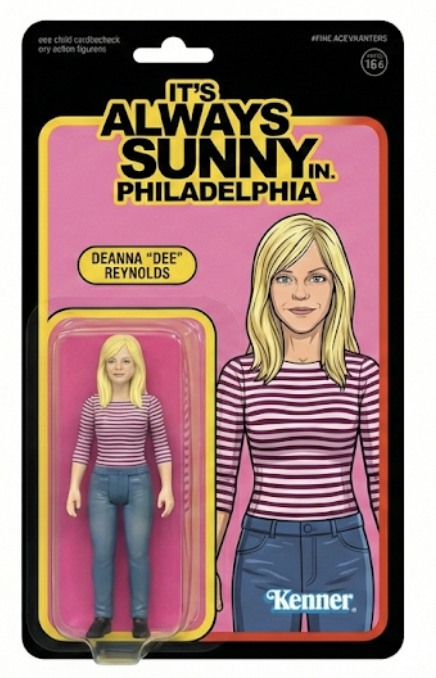
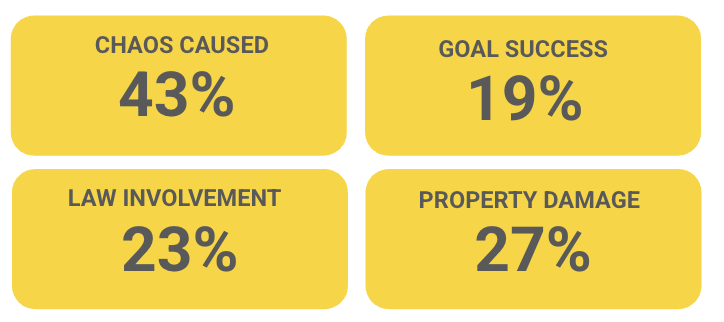
What makes Dee's data profile genuinely startling is the disconnect between the chaos she causes and her failure to accomplish her goals. Despite winning almost nothing, she appears in many of the chaos trifecta episodes (causes outside harm and property damage and the law is involved). In short, Dee is the gang member most likely to be present when everything goes maximally wrong, even when she personally gets nothing out of it.
PERCENTAGE OF TOTAL EPISODES
DENNIS AND DEE COLLABORATION: Despite despising each other, they are each other’s most frequent collaborators and schemers: though most of the time they berate each other while doing so. They also love doing crack together, though it’s rare, and started because they wanted welfare.
He has an encyclopedic knowledge of "bird law" (which is nonsense) and is nearly illiterate.
He has a bond with Mac as they are the most “white trash” of the group and their moms live together, but Charlie openly finds him “the worst”.
Beneath the mostly lovable surface, he is a deeply damaged person: a glue-huffer, the son of a prostitute, and he stalks “the Waitress” (who is his wife in real life) relentlessly.
CHARLIE KELLY
RONALD “MAC” McDONALD
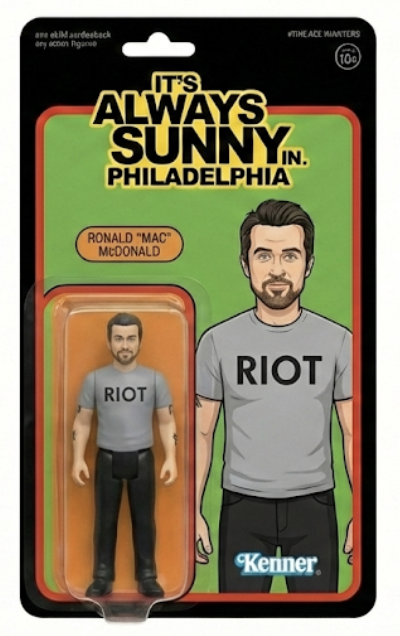
Mac is the Gang's self-proclaimed head of security and “Sheriff of Paddy’s”, though no one feels safe around him. He is deeply insecure and consistently wrestles with his faith, his homosexuality, and his desperate need for the approval of his convicted felon father and Dennis. He also has a dildo bike he keeps in his room.
PERCENTAGE OF TOTAL EPISODES
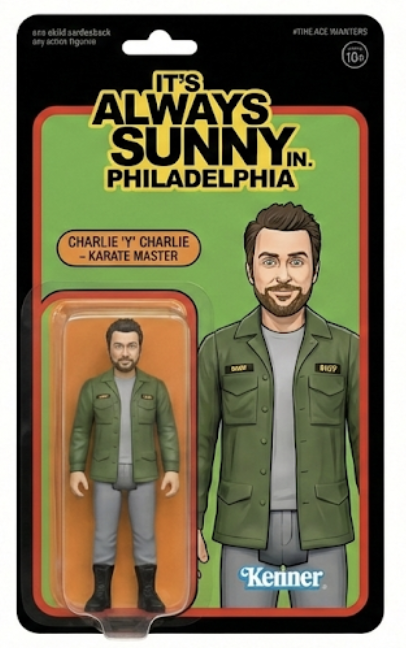
Charlie is the closest thing the Gang has to a conscience and the only one who reliably does actual work at Paddy's. He is Frank’s roommate and they have a strange connection to one another. He is a naturally gifted musician, and possesses a strange, idiosyncratic intelligence.
COLLABORATION: Mac and Charlie are by far the most frequent collaborators, though Mac and Dennis also work together often, and are the creators of the insane milk, alcohol, and crow-infused drink called Fight Milk: Made by Bodyguards For Bodyguards…though neither is one.
He is a “martial arts expert”, though he’s never taken a lesson, and runs Project: Badass, a lame, VHS-taped stunt show that is only for the Gang and only Charlie likes. While claiming to be able to keep the bar safe via an “ocular pat down”, he’s often only won fights against children.
He rarely is the one who benefits from the Gang’s schemes: he tries very hard and gains little.
FRANK REYNOLDS
Frank is a former ruthless, millionaire businessman who ran an empire that included sweatshops in Asia. He abandoned his wealthy, respectable life (though still has the money) instead choosing to live in squalor with Charlie.
He is not Dennis and Dee’s father, despite sharing a name, his deceased ex-wife had an affair with an actual decent man (and also slept with Mac).
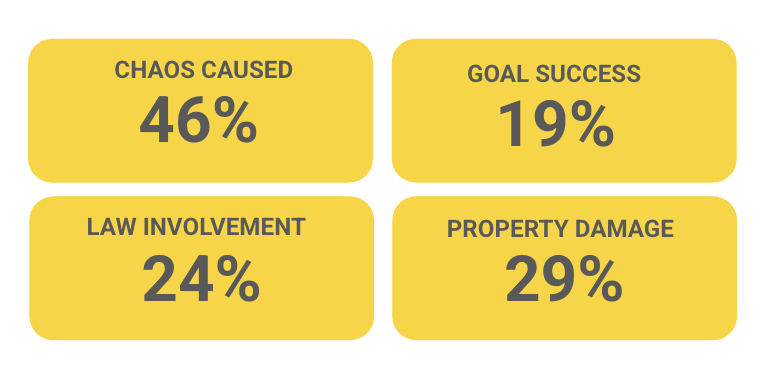
PERCENTAGE OF TOTAL EPISODES
PERCENTAGE OF TOTAL EPISODES
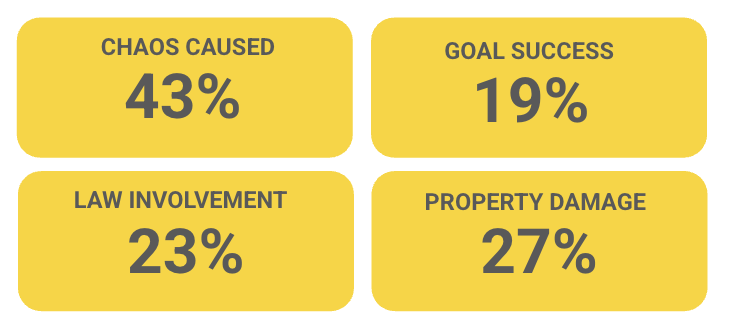
He will do absolutely anything to get what he wants, with zero moral resistance. To that point, Frank is the Gang's most statistically successful member, getting what he wants often.
He finances the Gang's worst impulses with what Dennis calls his "seemingly infinite wealth”.
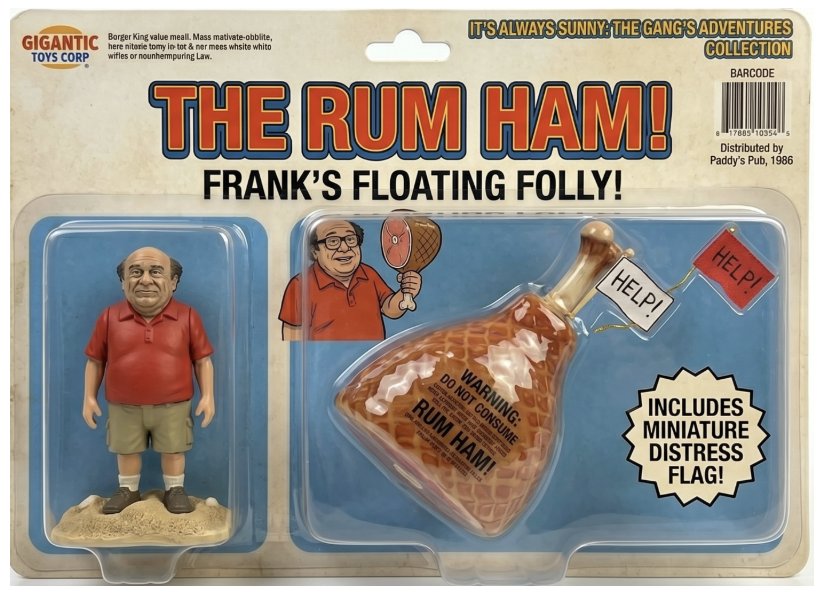
He loves prostitutes and drugs, is kinda racist (“Hawaiian’s are savages”), homophobic, and the inventor of “rum ham” (see right image).
COLLABORATION: Frank collaborates with Charlie they most and this pairing is the show's most genuinely strange: a millionaire who chose to live in squalor and a barely-literate janitor who huffs glue and drinks paint. They are united by a shared comfort with filth and chaos and their collaboration episodes tend to be the most unhinged.